Water Resources, Environmental Sustainability (CNEEIA 2026) and Artificial Intelligence Techniques
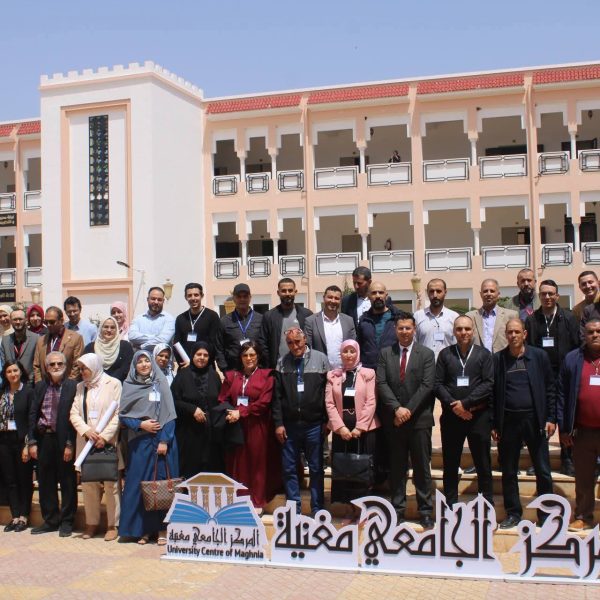
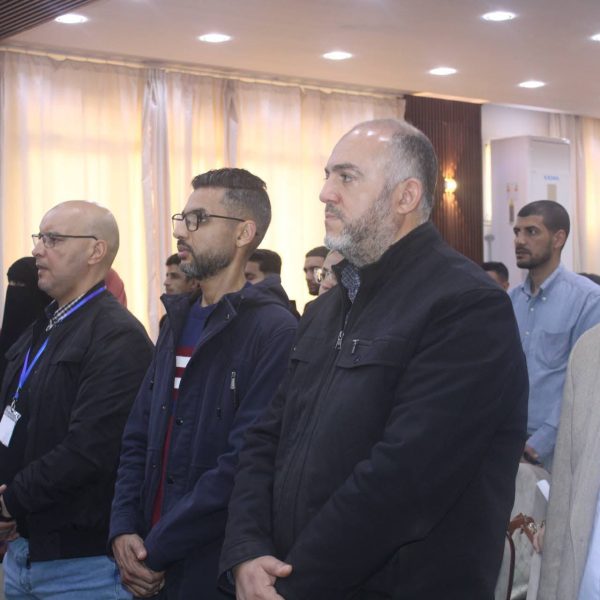
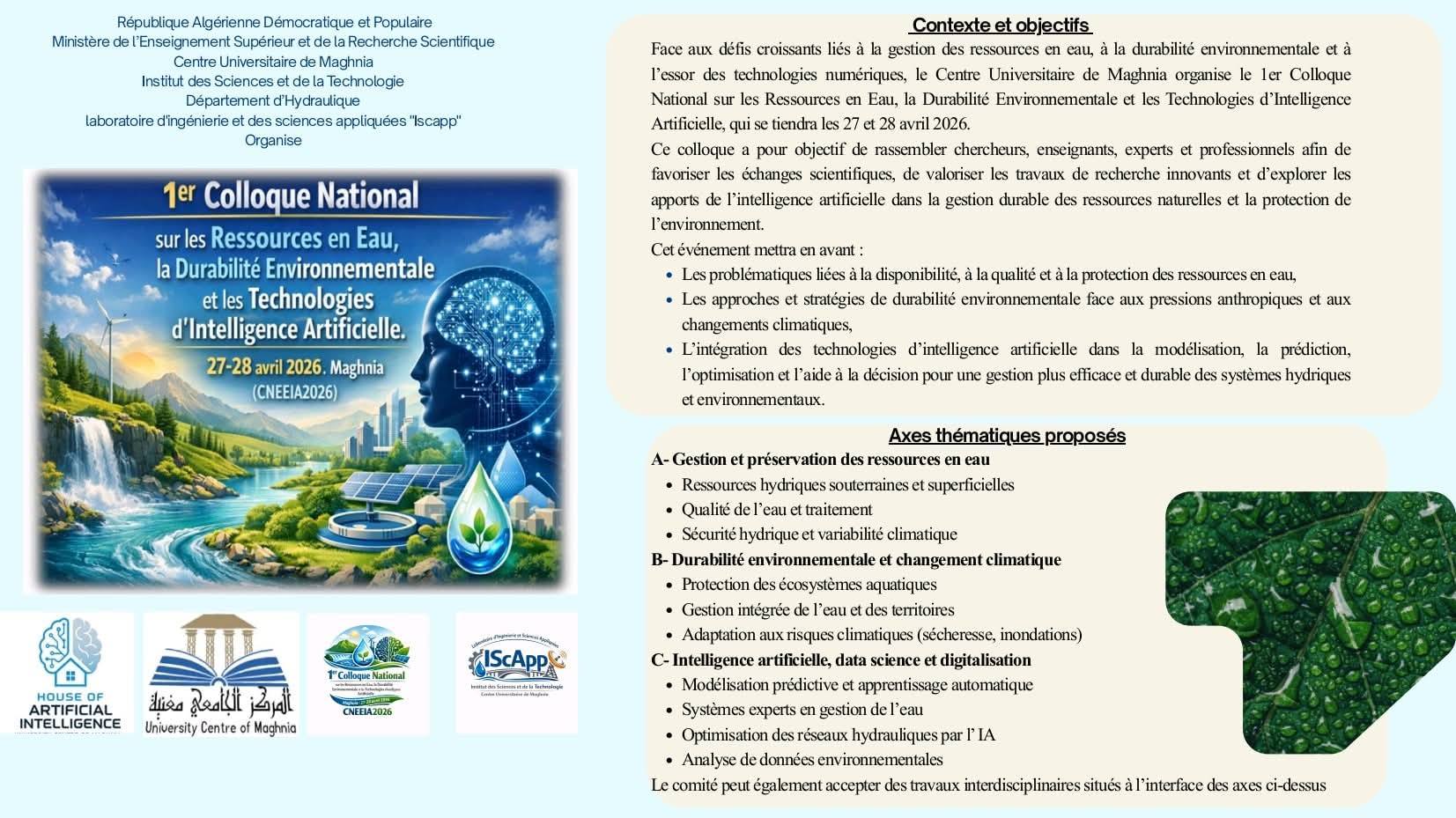
On Monday, April 27, 2026, the University Center of Maghnia witnessed the official launch of the prestigious national conference titled: 'Water Resources, Environmental Sustainability, and Artificial Intelligence Techniques (CNEEIA 2026).'
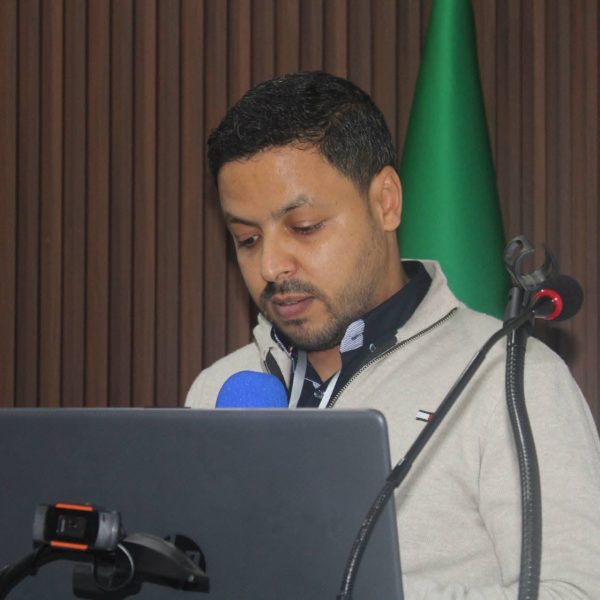
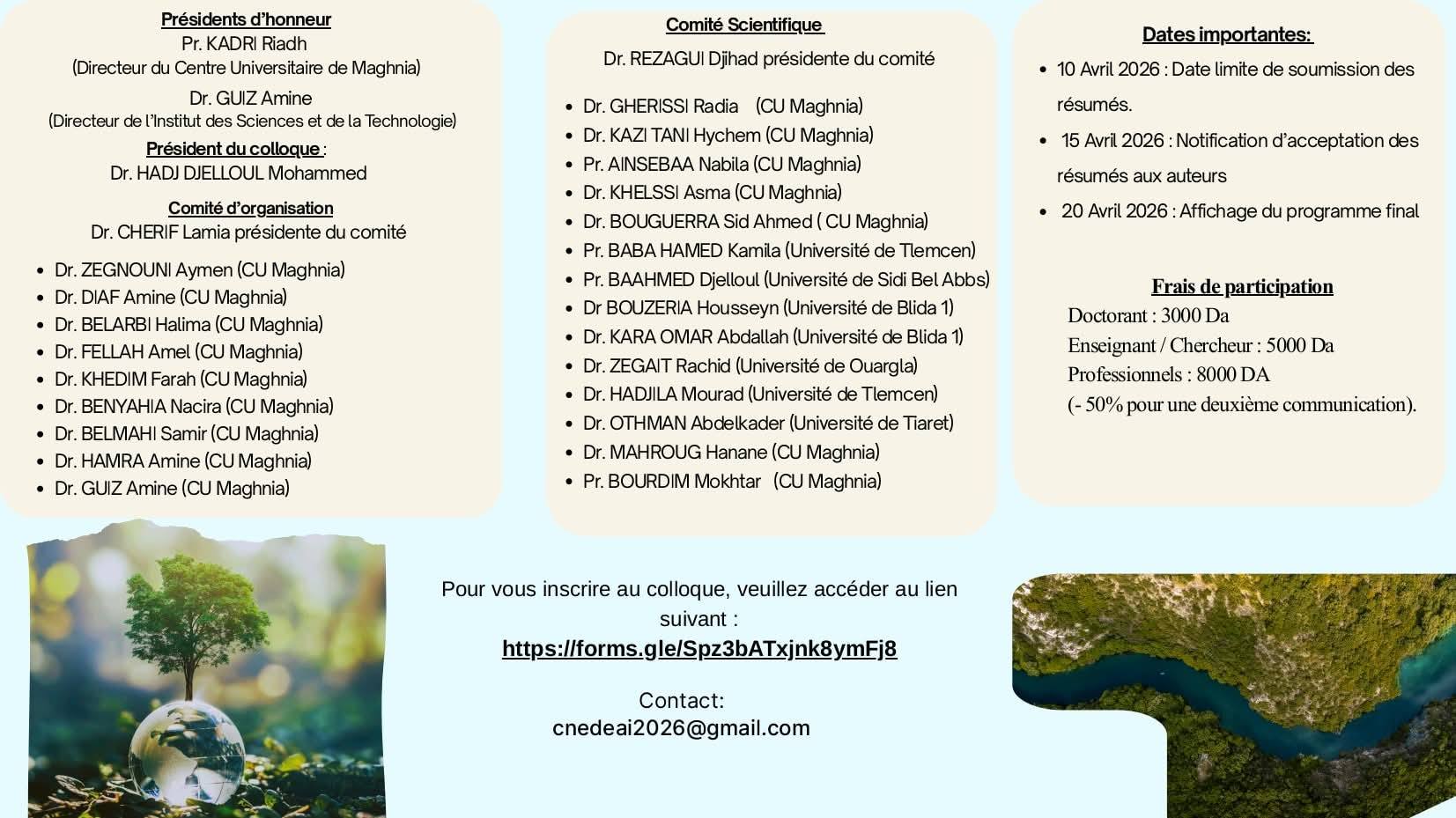
The event opened at the 'Mourad NAOUM' Conference Hall with a recitation from the Holy Quran and the National Anthem, followed by welcoming and keynote speeches highlighting the strategic importance of the event. Professor BELLAHCENE Mohammed, Vice-Director of the Centre in charge of Post-Graduate Studies and External Relations, delivered a comprehensive welcoming address on behalf of the Director of the University Centre of Maghnia, Professor KADRI Riadh, emphasizing the necessity of employing modern technology to tackle environmental challenges. This was followed by speeches from the Director of the Institute of Science and Technology, Dr. GUIZ Amine, and the Conference Chair, Dr. HADJ DJELLOUL Mohammed, both of whom focused on the role of Artificial Intelligence as a revolutionary tool in water management and protection.
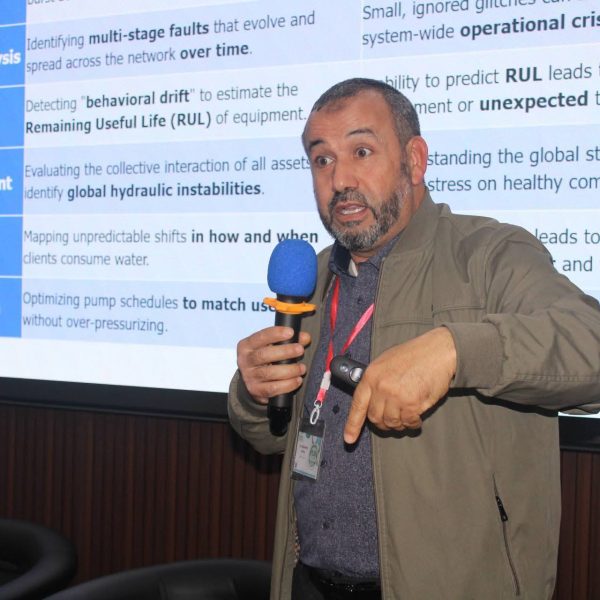
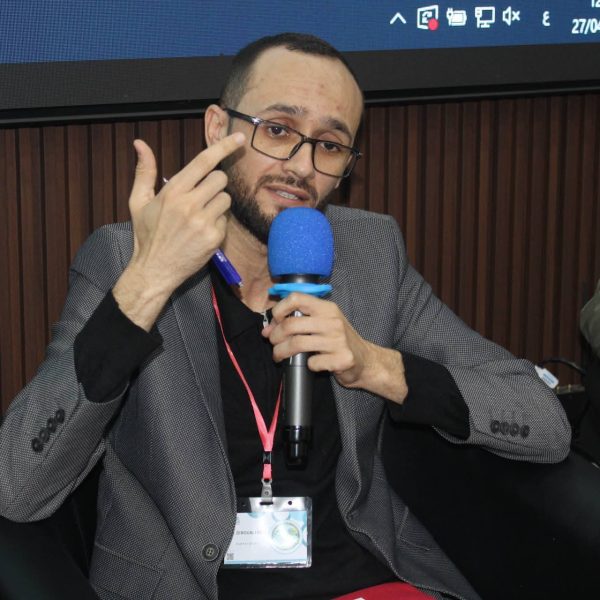
The scientific sessions on the first day were characterized by rigorous presentation and in-depth analysis, chaired by Professor Baahmed Djelloul (University of Sidi Bel Abbès). The opening session featured several pivotal interventions:
- Professor ZEROUALI Bilal (University of Chlef): Discussed the transition from science to society through water resource modeling and runoff assessment in the era of Artificial Intelligence.
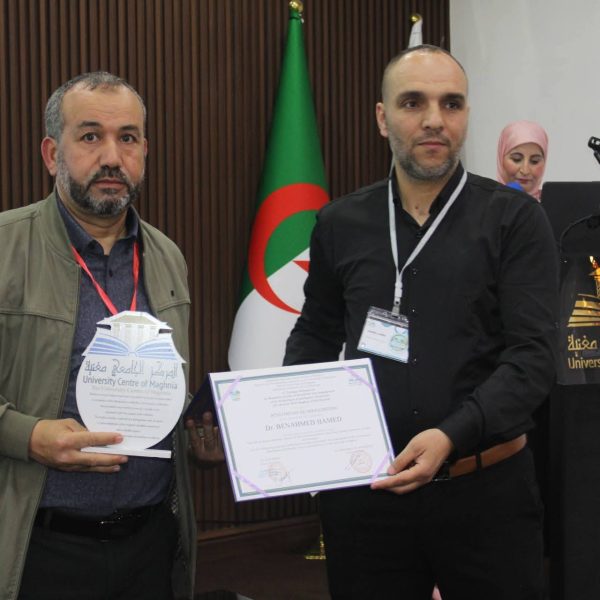
Dr. Benahmed Hamed (University of Tlemcen): Presented an innovative AI framework for real-time detection of anomalies in hydraulic systems.
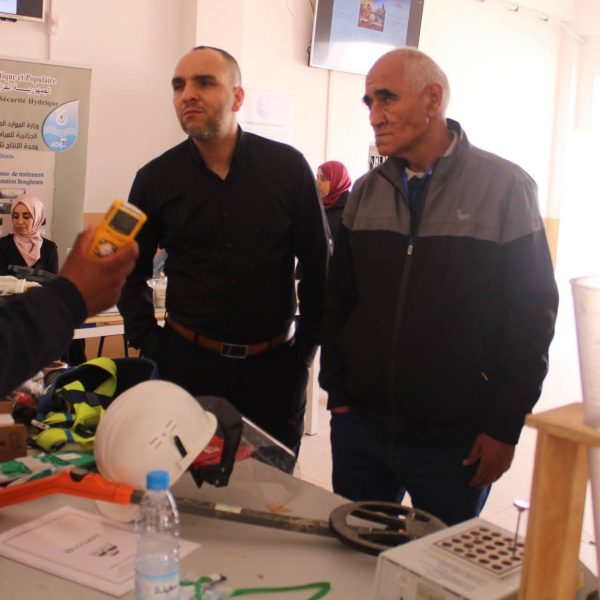
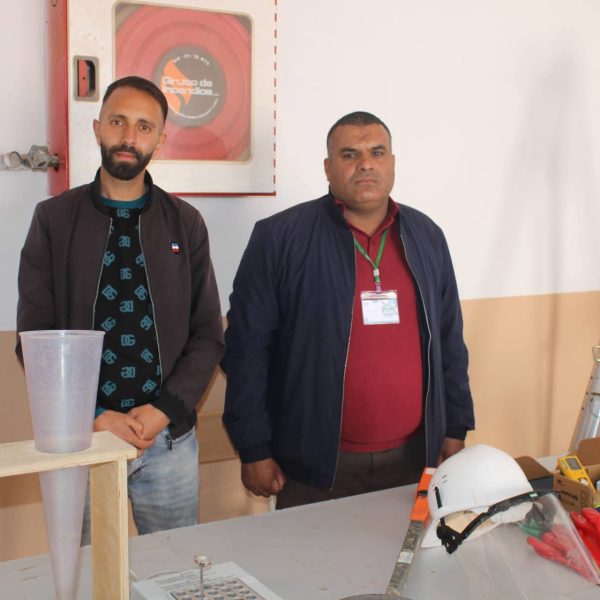
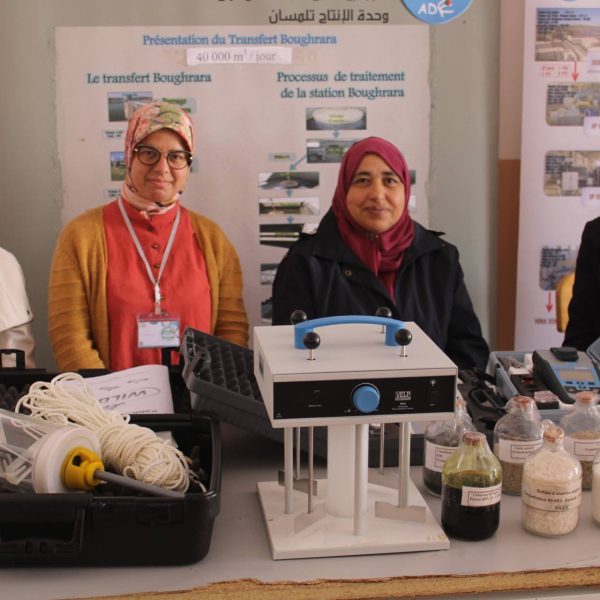
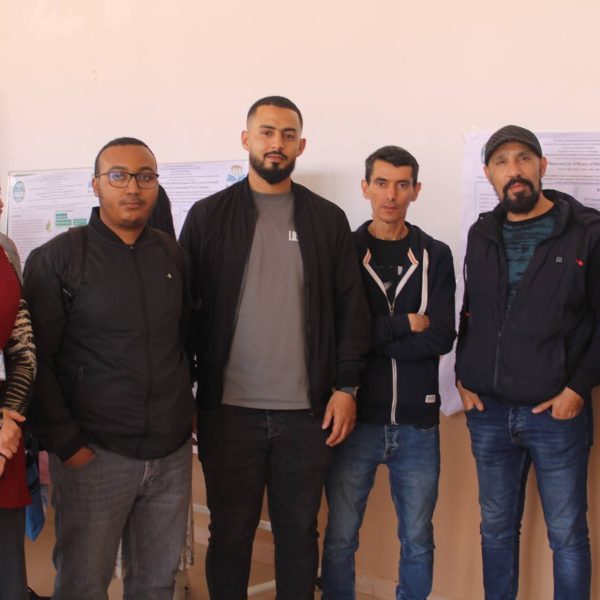
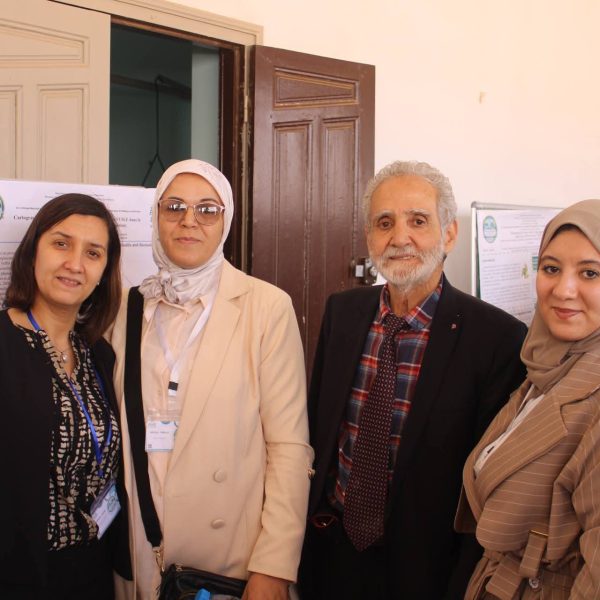
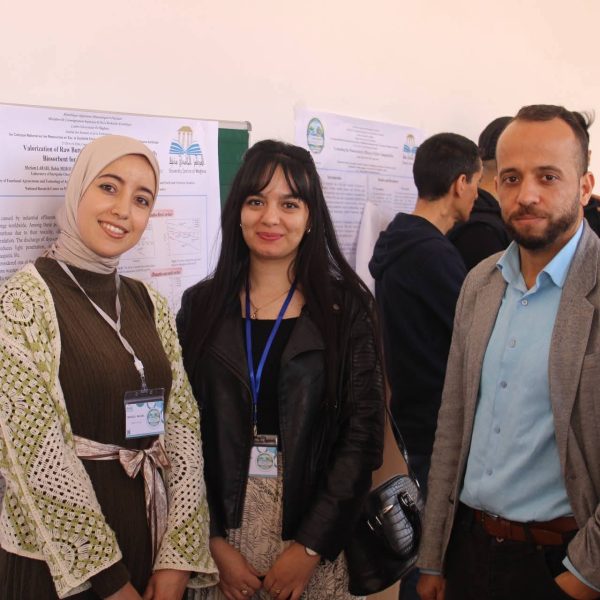
The conference was not limited to the theoretical aspect; it also included a field visit to the stands of institutions and companies active in the hydraulics sector, creating a bridge of direct communication between the university and the economic sector. Furthermore, the afternoon session was dedicated to poster sessions, where young researchers and students presented the summaries of their innovative projects.
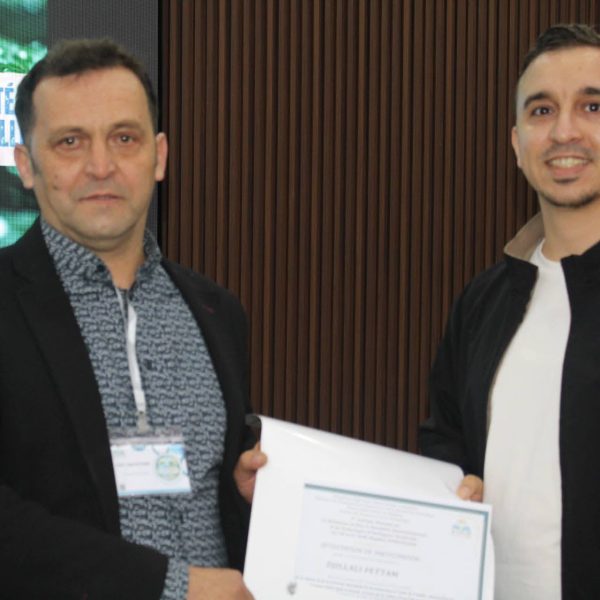
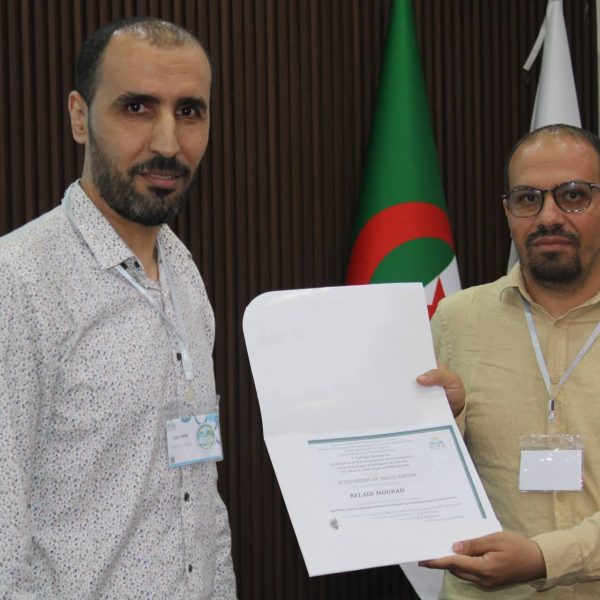
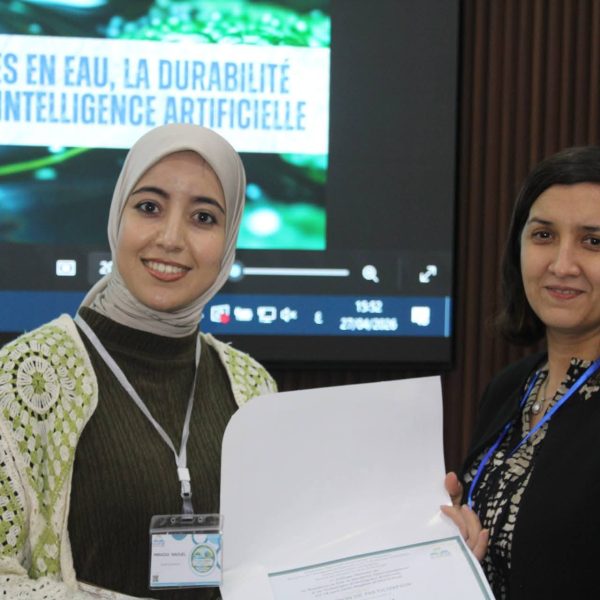
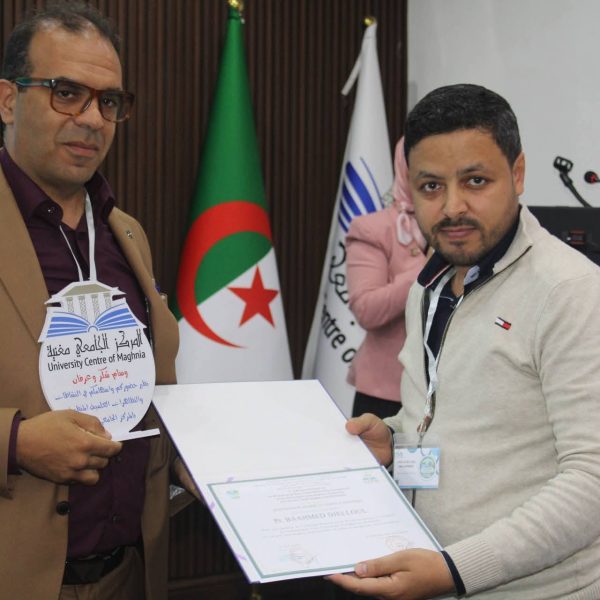
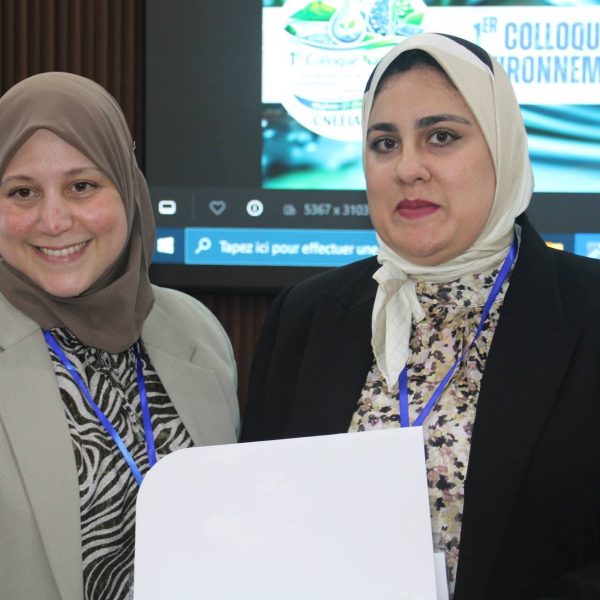
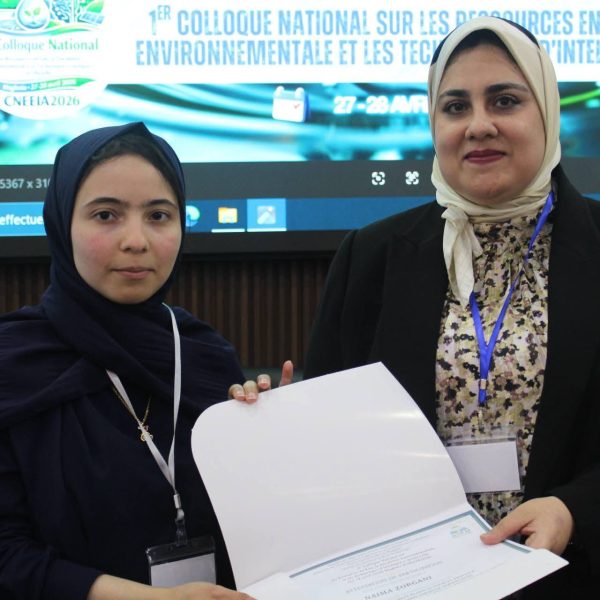
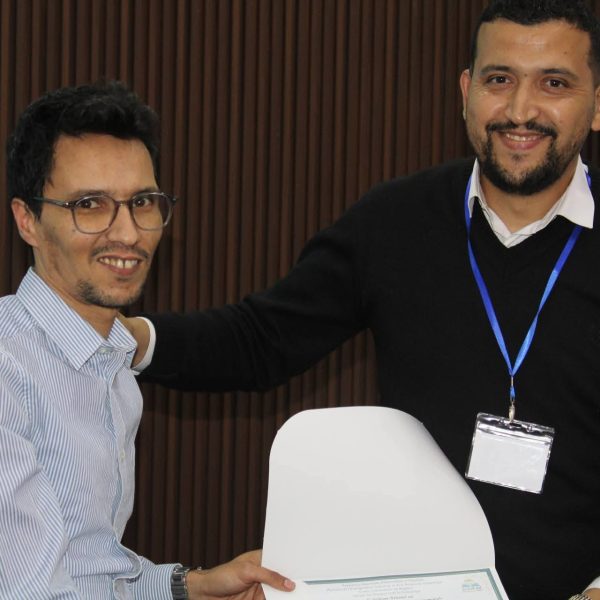
At the conclusion of the first day, and with a touch of academic loyalty, a ceremony was held to distribute certificates and honor the participants in recognition of their contributions to enriching the discussion on water and environmental issues. This took place amidst great anticipation for the second day's upcoming workshops and significant technical recommendations.