The University Centre of Maghnia Organizes the Second Training Course on Risk Management in Accordance with the ISO 9001 Standard
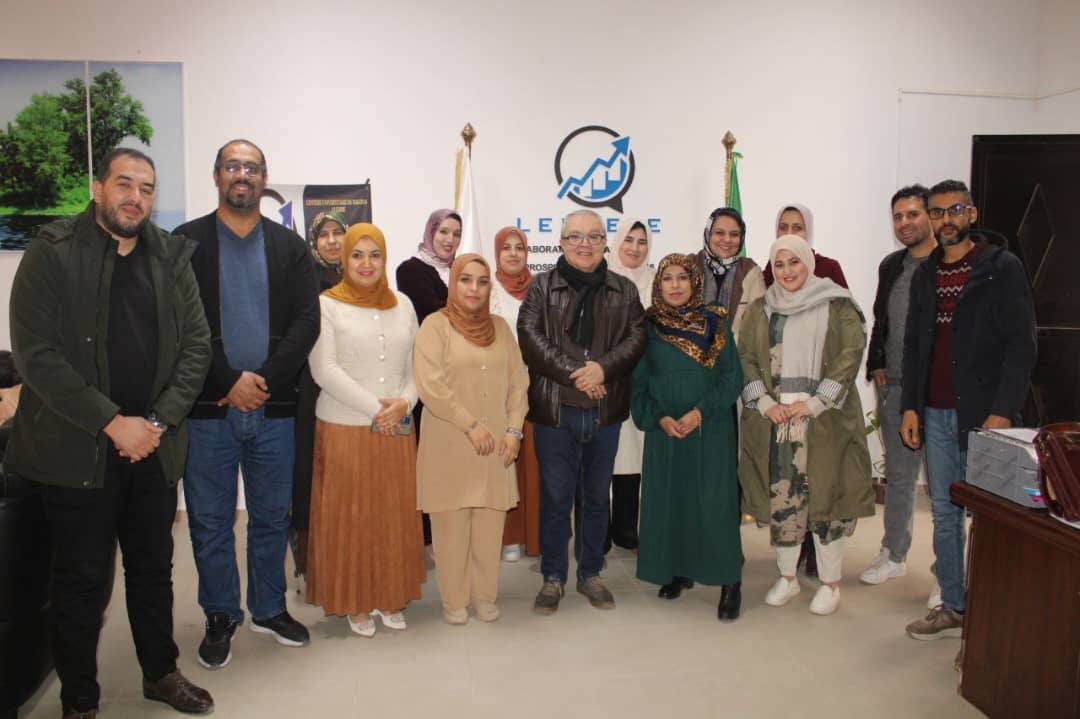
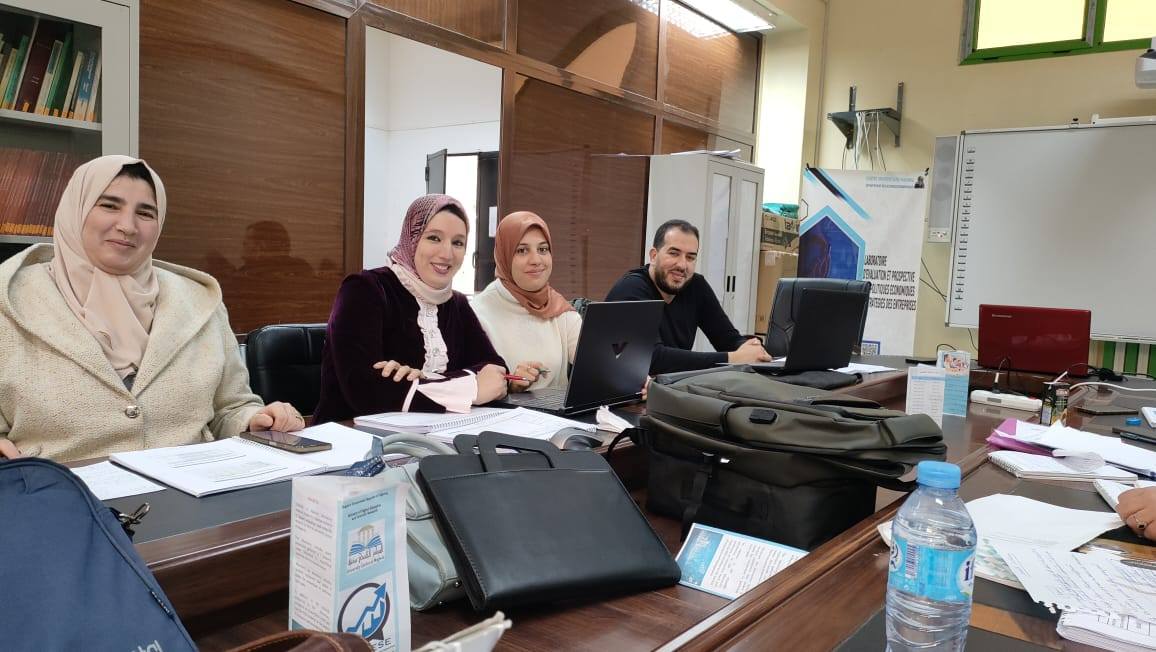
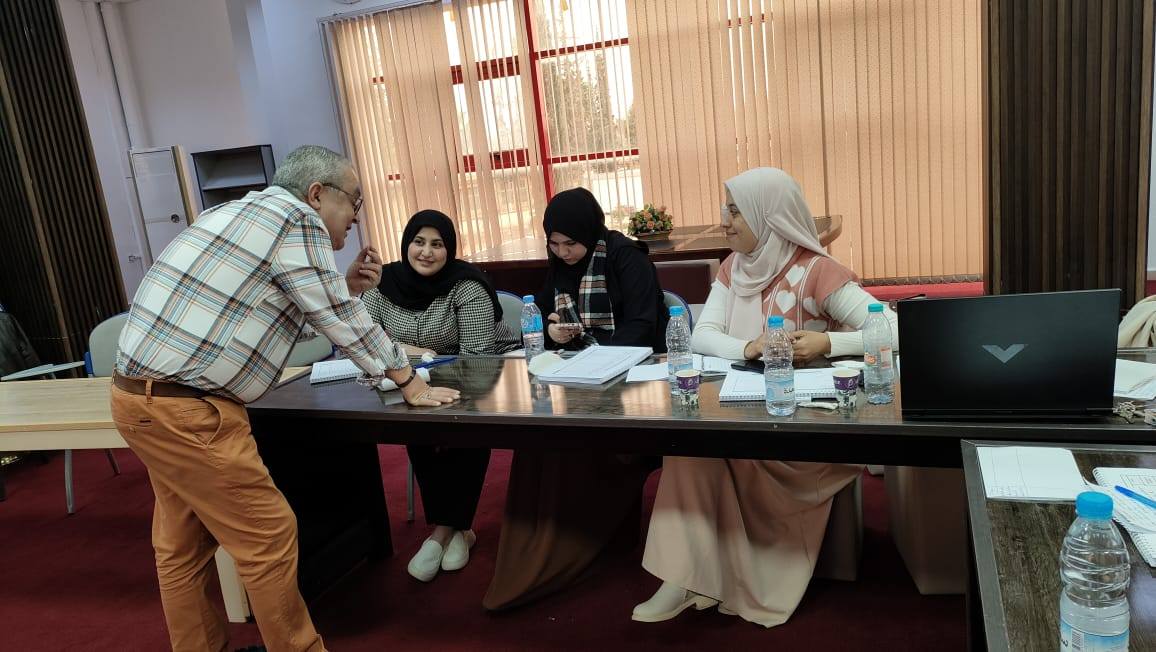
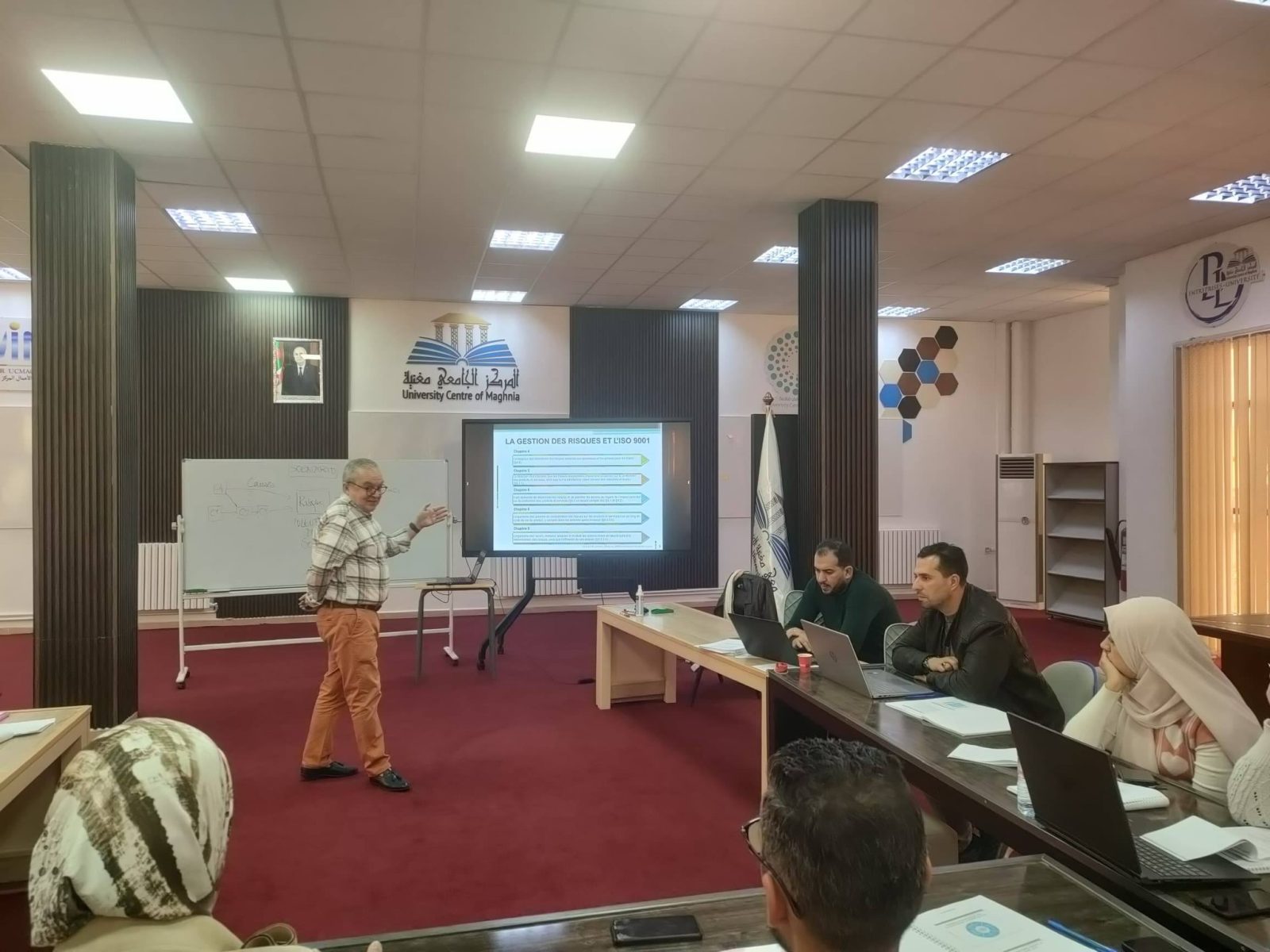
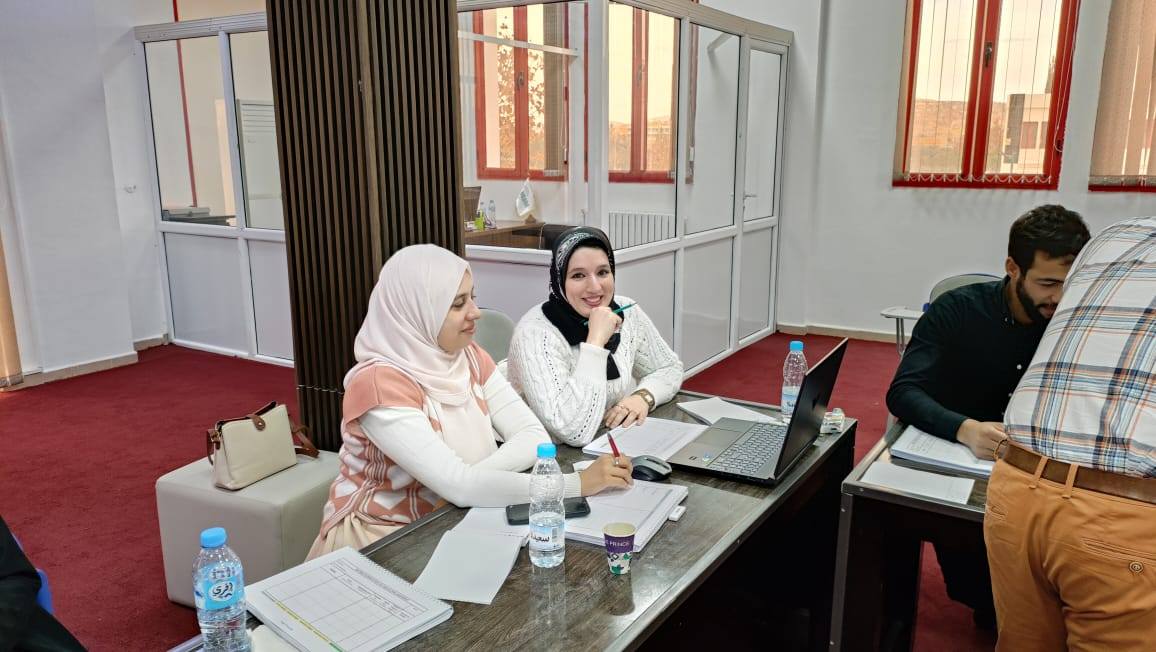
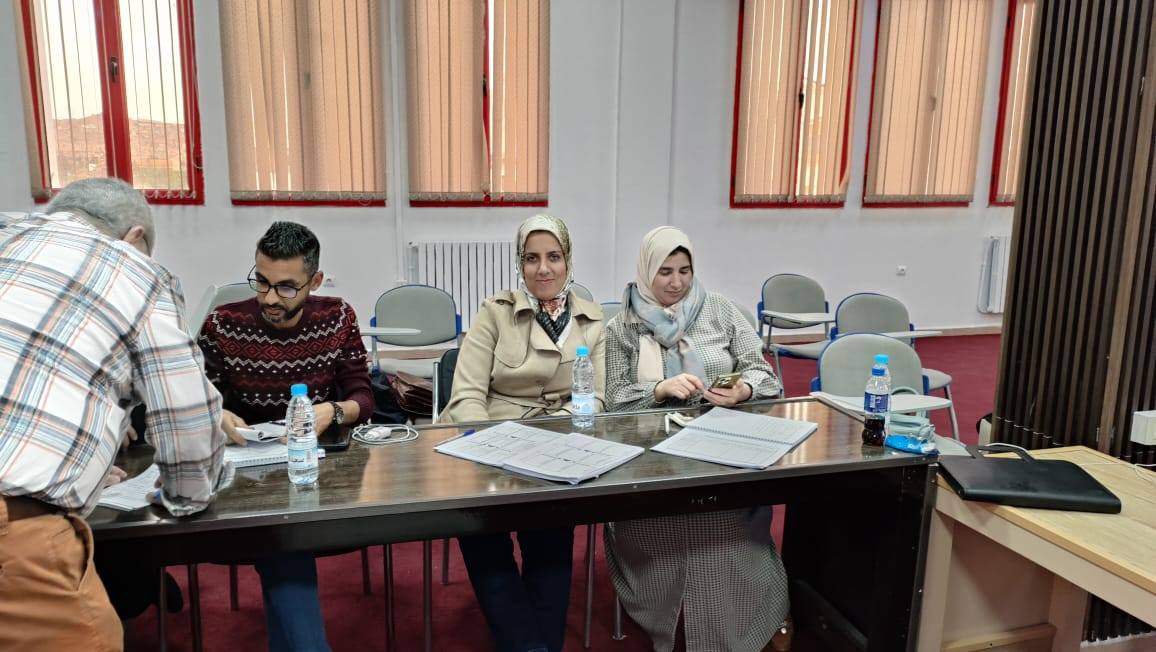
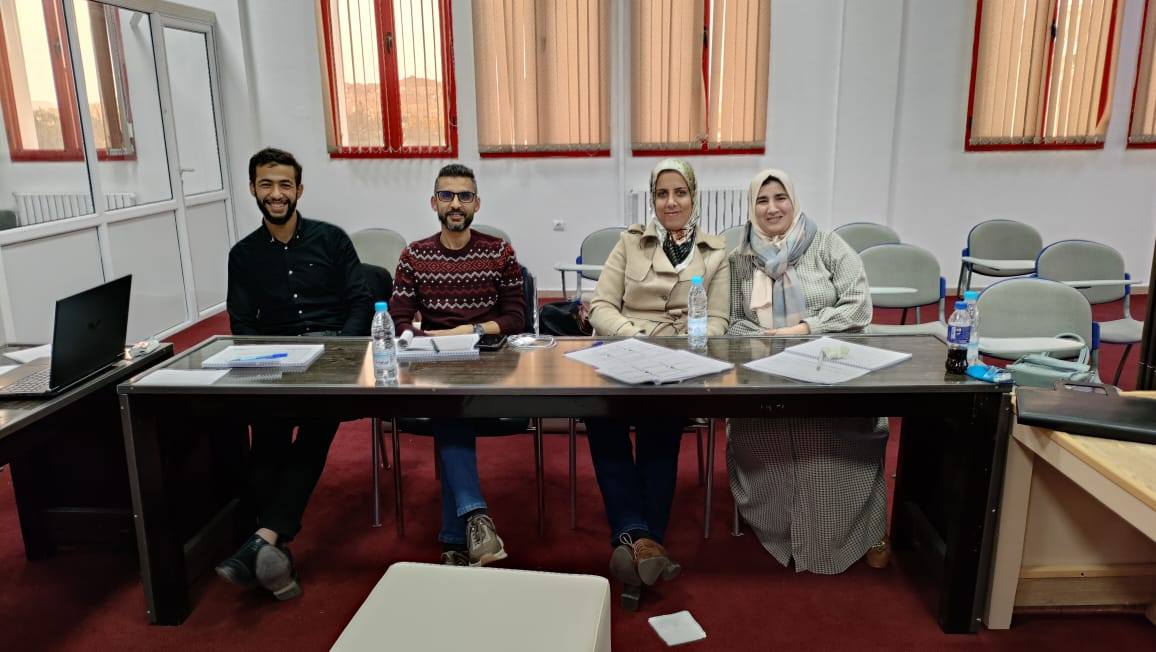
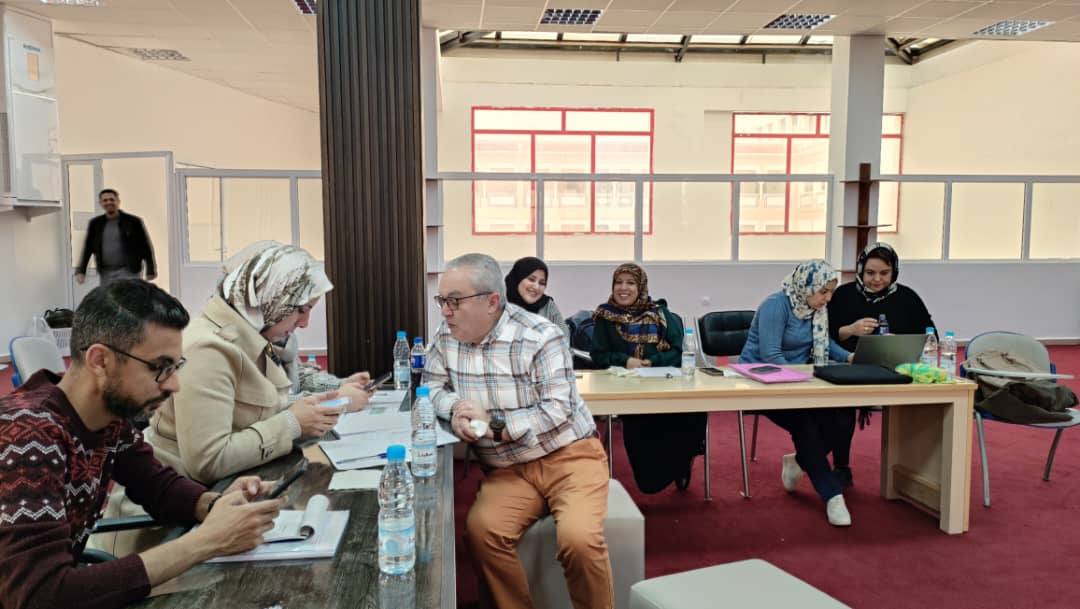
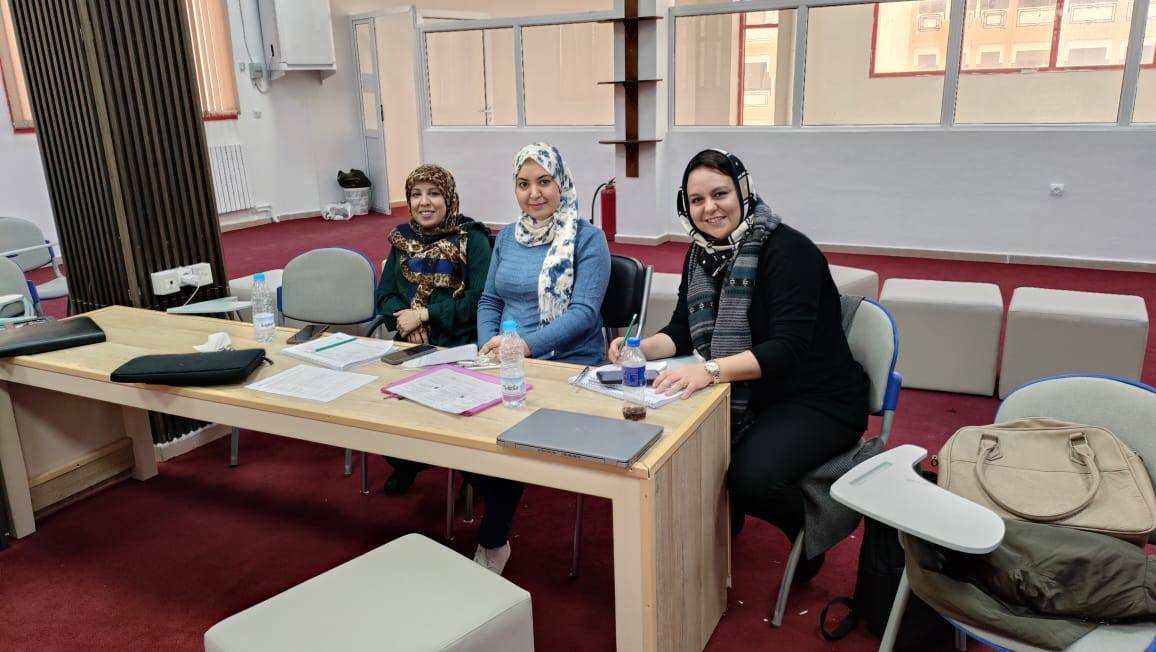
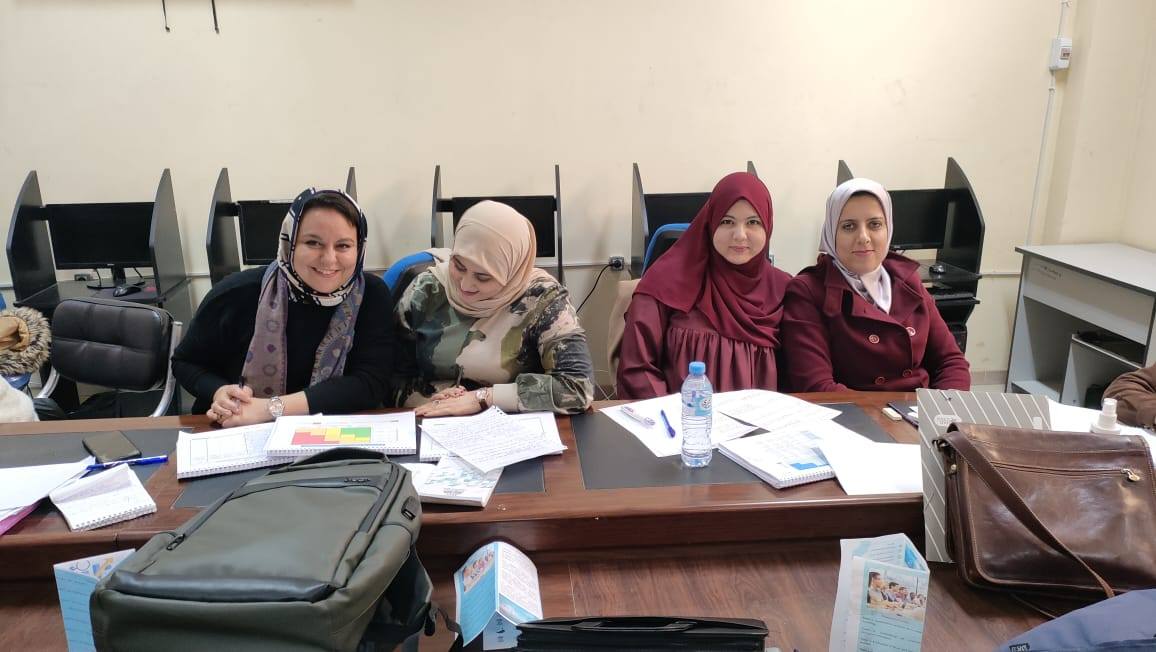
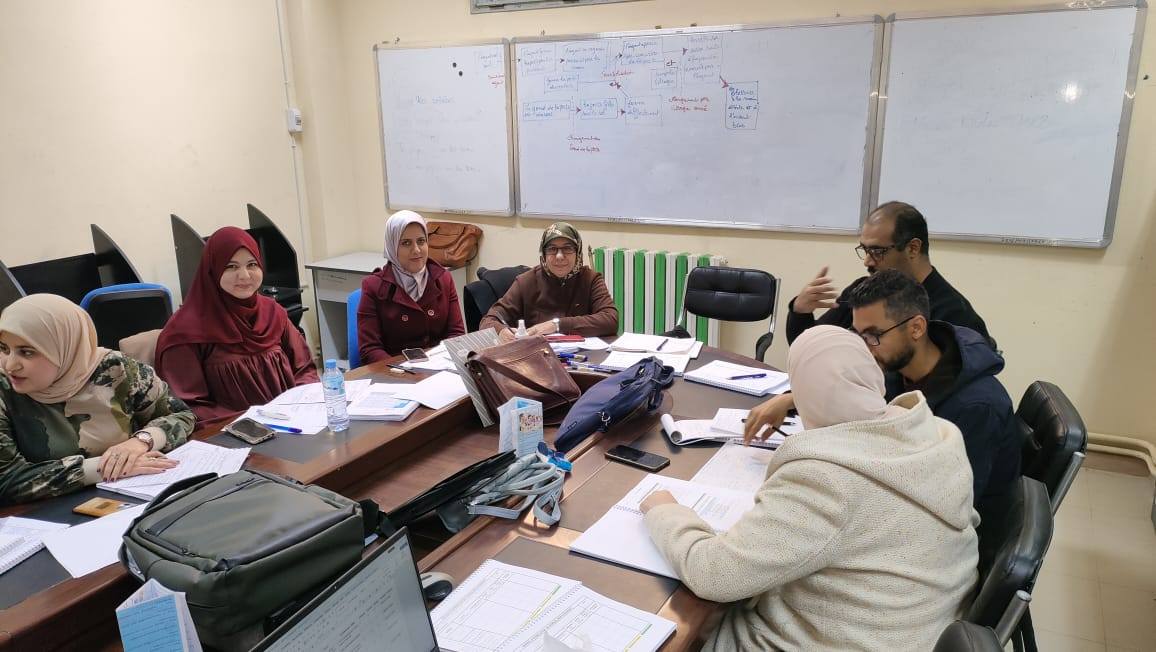
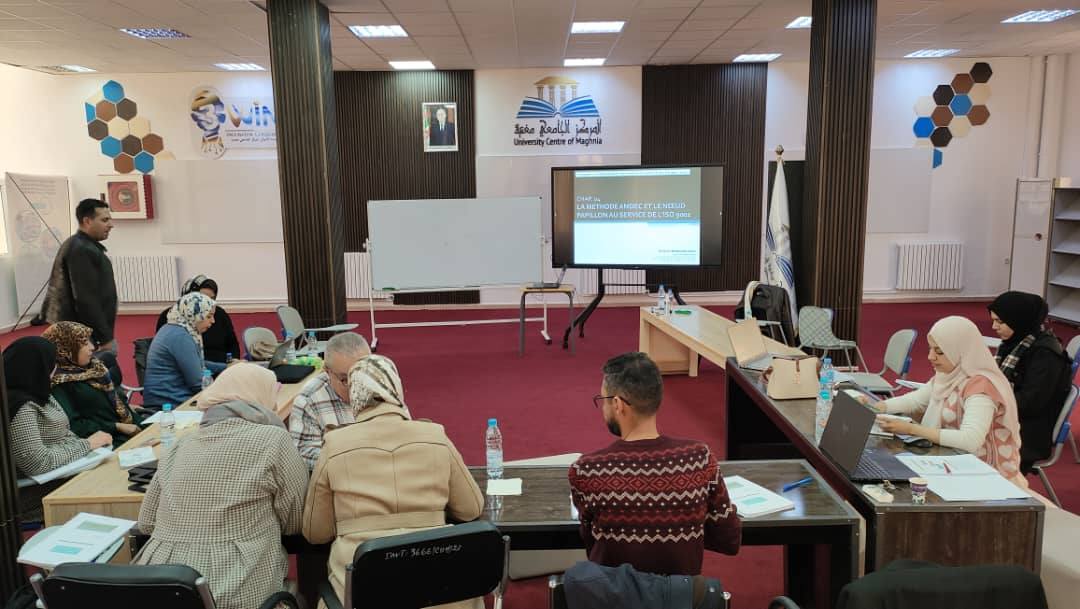
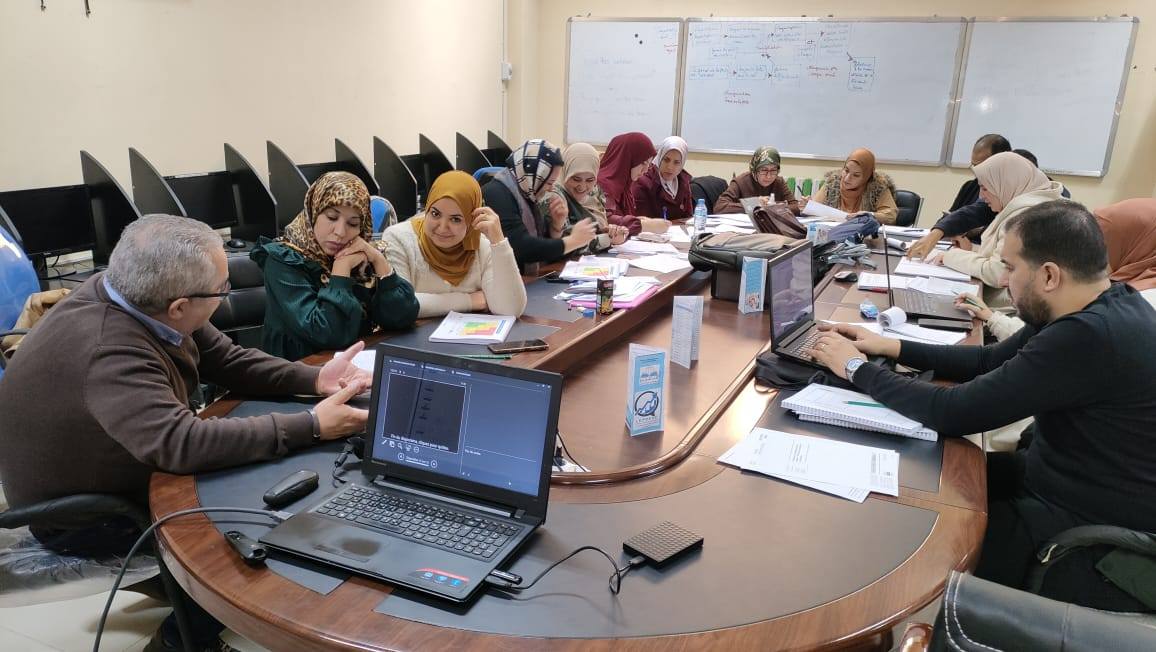
The University Centre of Maghnia organized, on December 11, 13, and 14, 2025, the second training course on Risk Management in accordance with the ISO 9001 standard, under the supervision of the Quality Assurance Cell and the Directorate of Post-Graduation, Scientific Research, and External Relations.
Day One:
The first day addressed the topic: "Risks associated with failure in describing the concept of risk process modeling," with the participation of a group of officials, executives, and doctoral students.
Day Two:
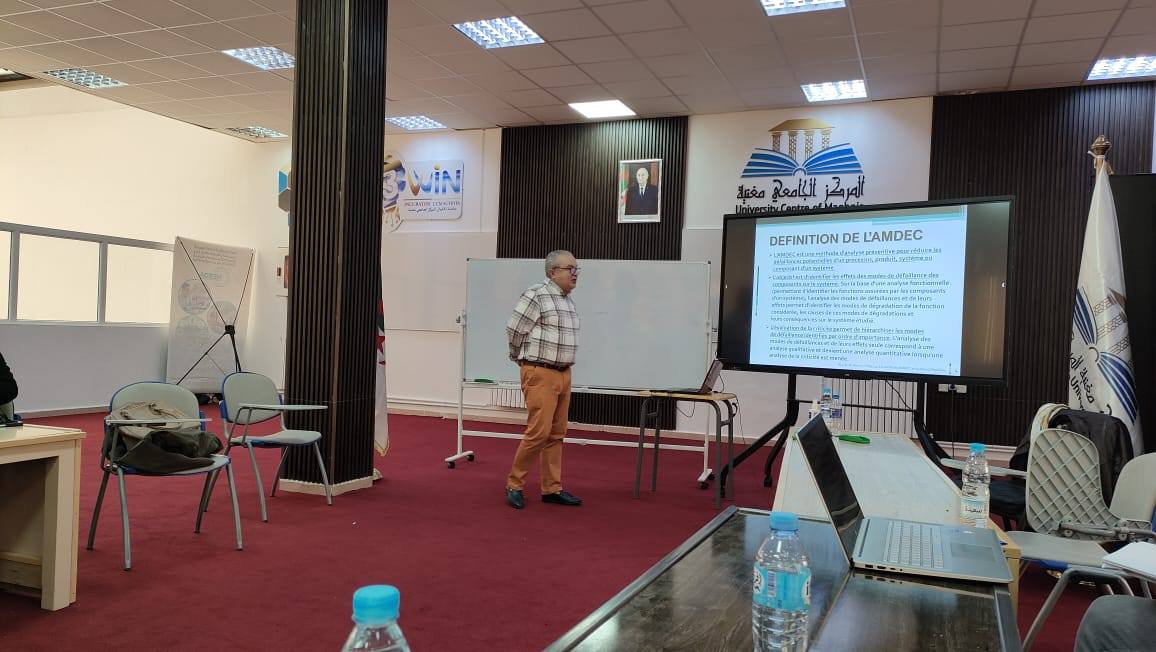
Throughout the second day, the "Methodological stages of risk studies according to the ISO 31000 standard" were reviewed, along with the AMDEC (FMEA) methodology and the "Bow-tie method" (Le nœud de papillon) concept.
Day Three:
The third day was dedicated to the "Experience Feedback Report" (Le retour d’expérience). It covered the concept of experience feedback, its objectives, and the importance of its documentation.
This course seeks to provide a comprehensive vision of the art and science of Risk Management, which is a vital dimension in organizational management. it enhances the ability to identify various types of risks, understand the measures necessary to mitigate their effects or prevent their occurrence, and improve response to any emergency that may affect the performance of systems and processes.
Course Objectives:
- Preparing participants to implement risk management effectively within the organization.
- Acquiring practical methodologies and tools, supported by illustrative examples.
- Learning how to manage risks systematically based on AMDEC (FMEA) methods and the Bow-tie concept.
- Integrating risk management effectively within the requirements of the ISO 9001:2015 standard.
This course serves as a significant step toward fostering a culture of quality at the University Centre of Maghnia, providing participants with the tools and knowledge necessary to achieve excellence and compliance with ISO 9001:2015 requirements.
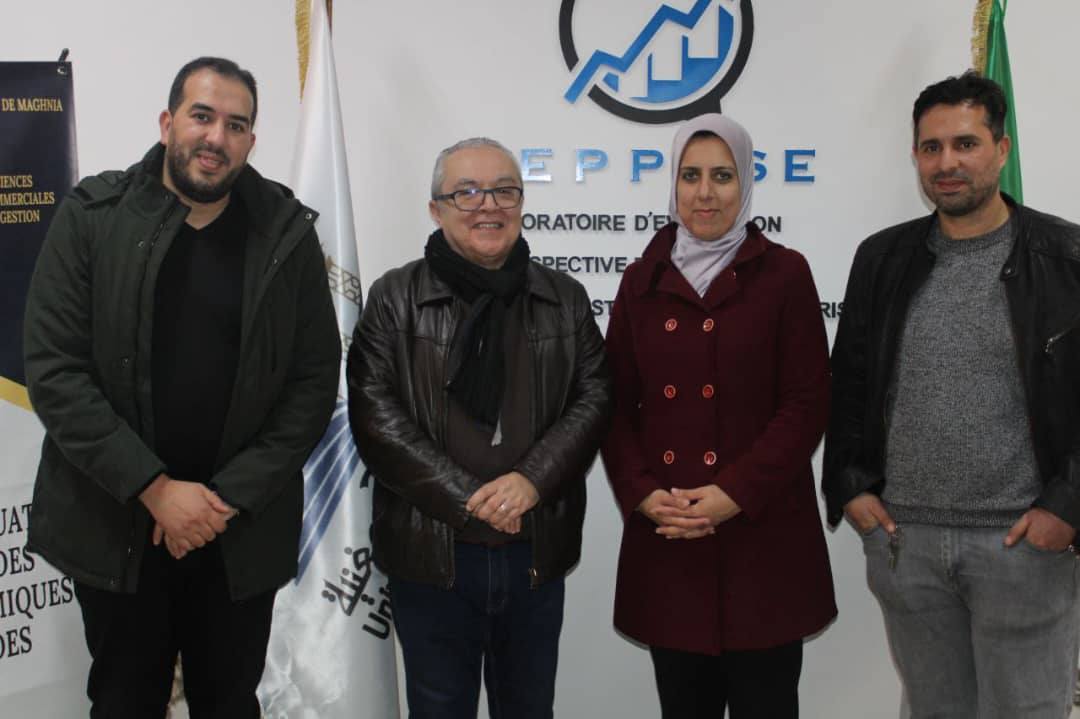
We extend our gratitude to all participants and to Professor Allal Amine for delivering this valuable course, and we look forward to more events that enhance our capabilities in the field of quality.